Restorative Practice
At Wonga Park Primary School, we use a whole-school Restorative Practice approach to support positive behaviour, wellbeing and strong relationships. This approach encourages students to act with respect, take responsibility for their actions, and work to repair any harm caused to others.
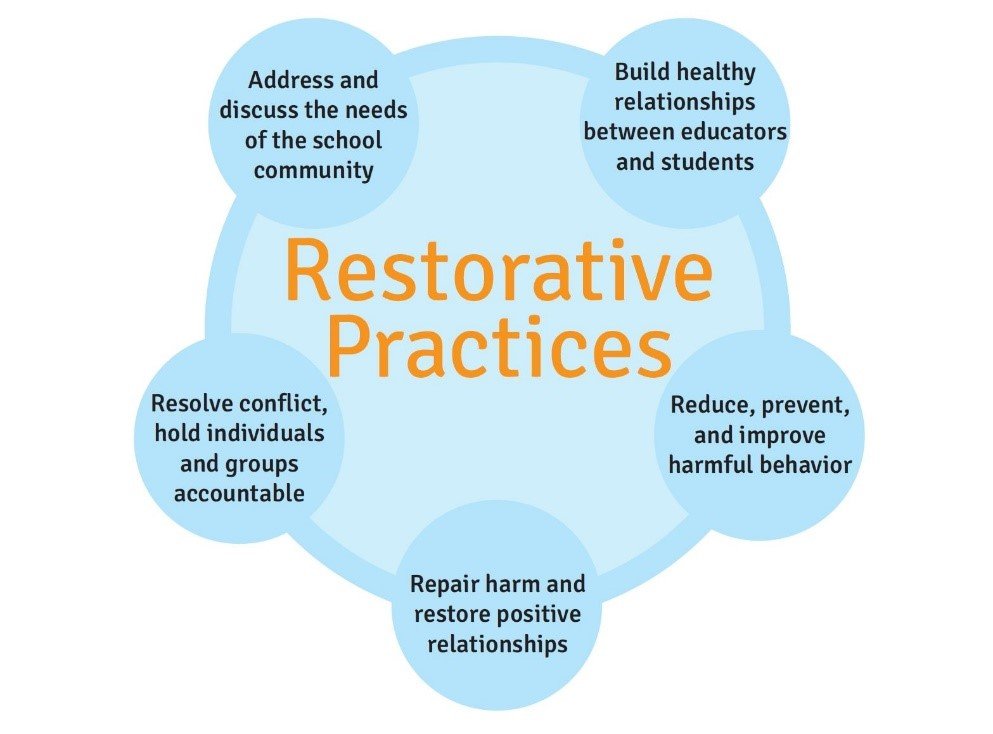
Restorative Practice places relationships at the centre of learning. It focuses on building, maintaining and restoring positive relationships, particularly when conflict, harm or wrong-doing occurs. Rather than focusing on punishment, we work withstudents to understand what happened, why it happened, and how to make things right.
Our restorative approach helps create a school culture grounded in respect, inclusion, cooperation, accountability and responsibility. It supports students to develop self-regulation, empathy and problem-solving skills, and promotes positive behaviour across the whole school community.
What Restorative Practice means at Wonga Primary School
Restorative Practice at our school involves:
valuing strong, positive relationships
modelling empathy and respectful interactions
valuing student voice and using collaborative problem-solving
viewing inappropriate behaviour as an opportunity for learning
applying procedural fairness
recognising the importance of repairing relationships
separating the behaviour from the person
using active listening and positive language and tone
avoiding blame, judgement or lecturing
fostering student self-awareness
implementing fair and proportionate consequences
remaining future-focused
How Restorative Practice looks in action
We use a continuum of restorative strategies, ranging from informal conversations to more structured processes, including:
positive classroom management strategies
logical consequences
collaborative problem-solving with students
structured one-to-one conversations
conferencing
circle time
Through these practices, we actively build positive relationships and seek to repair and restore relationships when harm occurs.
Restorative Practice is a fundamental part of how we prevent and respond to conflict and bullying at Wonga Park Primary School. It supports positive classroom climates, strengthens relationships, increases student engagement and promotes safe, inclusive learning environments.
Restorative conversations and questions
When supporting students through restorative conversations, we use questions that promote reflection, empathy and responsibility, such as:
What happened?
Giving students the opportunity to share their perspective and identify triggers without blame.What were you thinking about at the time?
Helping students link thoughts, feelings and actions.What have you thought about since?
Encouraging reflection once emotions have settled.Who has been affected by what happened?
Supporting empathy by recognising the wider impact of actions.In what way have they/you been affected?
Acknowledging the consequences and impact.What do you need to do to make things right?
Developing meaningful and realistic actions to repair harm.If this happened again, what would you do differently?
Encouraging learning and positive future choices.
Through a consistent, whole-school restorative approach, damaged relationships are repaired through reflection, responsibility, restorative action and forgiveness, strengthening wellbeing and supporting positive learning outcomes for all students.